


Resources Page
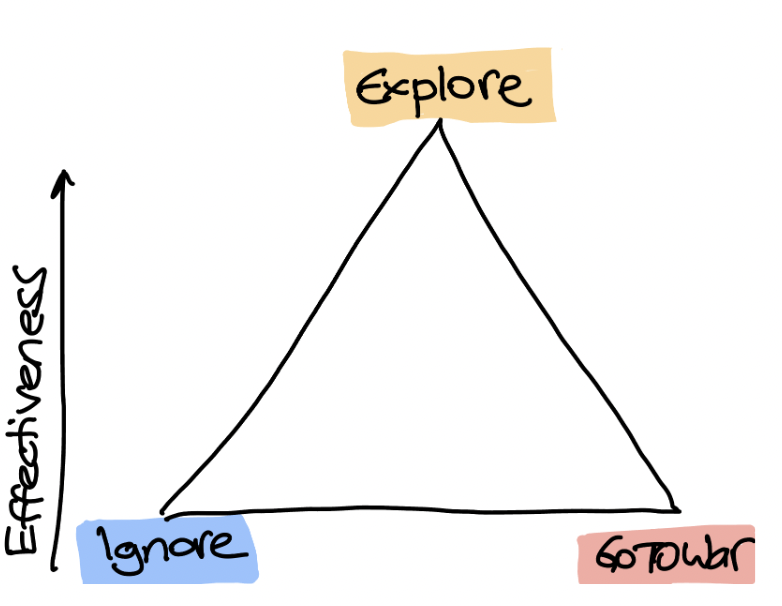
A summary of the three mindsets
The Three Mindsets: Ignore, Explore, Go To War
Ignore
Ignore is the quiet retreat. It feels easier in the moment — less risk, less friction — but the cost shows up fast. This mindset is driven by fear, overwhelm, and a hope that problems might magically resolve if left alone. It sounds like polite excuses, delayed responses, surface-level niceness, or a wall of silence. Inside, the story is usually: too hard… not worth the fallout… someone else will step in.
The impact is real. Work slows. People feel dismissed or unimportant. Tension builds underground. Trust erodes. Ignore can look harmless, even calm, but it quietly drains confidence — your own and everyone else’s. It trades short-term comfort for long-term damage.
Explore
Explore is the grounded, steady mindset of real leadership. It’s open, curious, calm, and willing to stay with a conversation long enough to understand what’s actually going on. The behaviours are intentional: listening without interrupting, asking thoughtful questions, acknowledging emotions without getting swept away, and being honest without attacking. It’s not passive; it’s courage in a regulated form.
Explore creates safety you can feel. People relax. They speak up. There’s transparency instead of guessing, connection instead of avoidance. Progress becomes possible because the relationship and the issue both matter. Explore is the mindset that moves work forward without burning trust.
Go to war
Go To War is the reactive fight response. It moves fast — blame, defensiveness, raised voices, accusations, power plays. The focus shifts from the issue to the person, and winning becomes more important than understanding. It feels powerful for a moment, but it narrows your thinking and shuts down everyone around you.
Others experience Go To War as unsafe and overwhelming. It creates fear, resentment, and disengagement. Relationships get damaged, teams fracture, and the work stalls. The outcome is almost always lose-lose: high emotional cost, low credibility, and no real resolution.
Which Mindset Do You Fall Into?
A simple scale to check your default setting:
When something hard lands on your plate… which of these feels most familiar?
1. IGNORE — “I’ll deal with it later.”
• You delay, minimise, or avoid.
• You hope the tension will pass on its own.
• You stay polite on the surface but withdraw underneath.
2. GO TO WAR — “This needs to be shut down.”
• Your body fires up: tension, heat, urgency.
• You get louder, sharper, or more forceful.
• You focus on being right or getting control.
3. EXPLORE — “Let’s understand what’s really going on.”
• You stay steady enough to listen.
• You ask questions before forming conclusions.
• You aim for clarity, accountability, and progress.
Most people have a home base — the mindset they slip into automatically under pressure.
Knowing yours is the first step to shifting it.
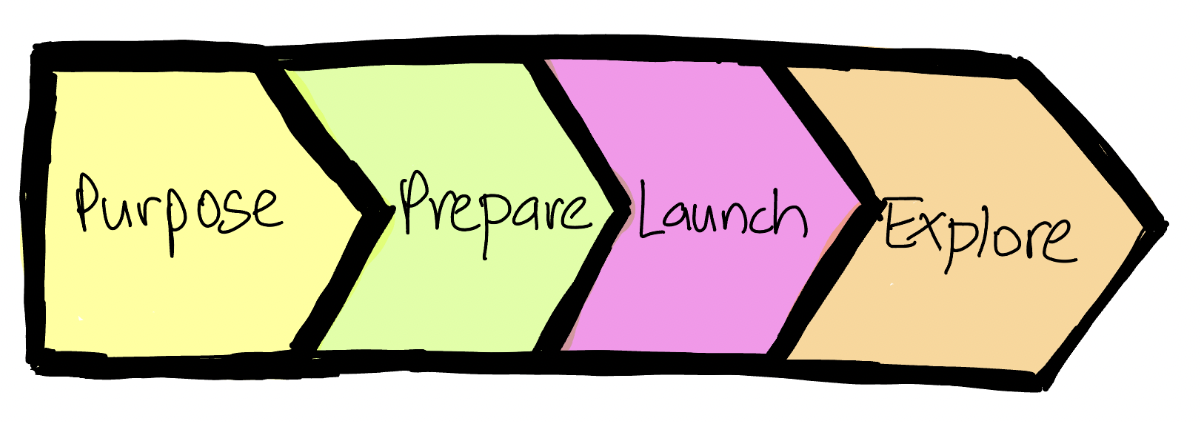
A summary of the 4 step process
1. Purpose
Know exactly why you’re having the conversation. Purpose is your anchor — it stops you drifting into blame, avoidance, or emotion-led detours.
Ask yourself:
• What outcome do I want?
• How do I want them to feel?
• What needs to be different by the end?
When you’re clear on purpose, you lead the conversation instead of reacting to it.
2. Prepare
If you have time, prepare. It keeps you grounded and makes it easier to stay in the Explore mindset.
Preparation means:
• Getting centred.
• Knowing your core message.
• Choosing the right time and place.
• Bringing examples if needed.
• Thinking about how this person best hears information.
• Anticipating what might throw you off.
Preparation stops rambling, sugar-coating, or saying things you regret.
3. Launch
How you open the conversation sets the tone. A good launch lowers defensiveness and keeps the door open.
A strong launch includes:
• Giving context early.
• Using simple, steady language.
• Staying objective — no exaggeration.
• Signalling your intention (clarity, collaboration, progress).
• Using Explore language like “I’ve noticed…” or “I’m curious about…”
The goal is not to unload everything. It’s to start cleanly so the real conversation can happen.
4. Explore
Explore is where the conversation actually shifts something — from talking at to working with.
Explore means:
• Asking genuine questions.
• Listening fully.
• Staying centred when things wobble.
• Being direct but thoughtful.
• Returning to purpose when things drift.
• Holding steady in tough moments without making them lose face.
Explore builds trust and creates clarity. People feel heard, and progress becomes possible.
A look inside a 2 hour session
Many organisations start with a two hour facilitated session. What can you expect to cover? Check it out here.
Video library
Introduction
Why Go to War is not helpful
Mindsets are situational
Purpose is the second most important thing after mindsets
The importance of Purpose
How the three mindsets show up in the body
The ignore mindset
Why these things are hard
What are the three mindsets of Ignore, Explore and Go to war?
